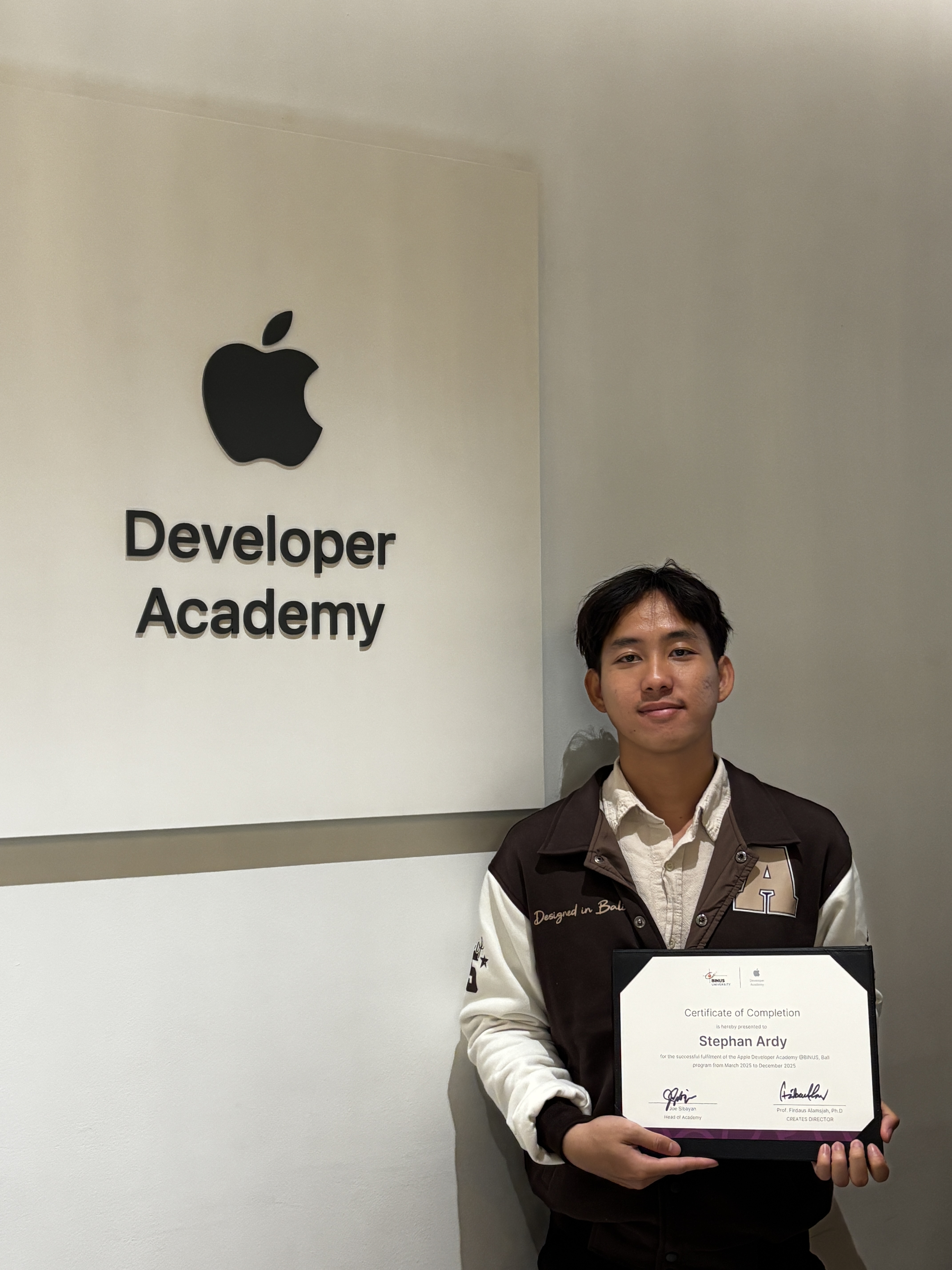
I was part of the first cohort of Apple Developer Academy Bali, which officially opened in 2025.
While Apple Developer Academies already exist in other parts of Indonesia, Bali was new. We were learning, experimenting, and slowly shaping the culture of the academy together.
This blog isn’t a guide or a review! it is simply a reflection on what I realized after experiencing the academy firsthand.
Learning Without Being Forced
Apple Developer Academy (ADA) doesn’t work like a traditional bootcamp.
Instead of a fixed curriculum, we were given challenges over time. Each challenge came with a problem space, but how we approached it and what role we took was entirely up to us.
There was no pressure to become a “coder”, “designer”, or “PM”.
You chose what you wanted to learn and who you wanted to become in each challenge.
They didn’t teach iOS development deeply step by step. We were expected to explore it ourselves. At first, this felt uncomfortable but that’s where the real learning happened.
The support system was always there:
- mentors you could approach anytime
- technical and design sessions such as Git, Clean Code, SwiftUI, Figma, user interviews, personas, and more
But in the end, your growth depended on your own motivation.
If you wanted to dive deep, the academy fully supported you but it wouldn’t force you.
A Truly Diverse and Inclusive Environment
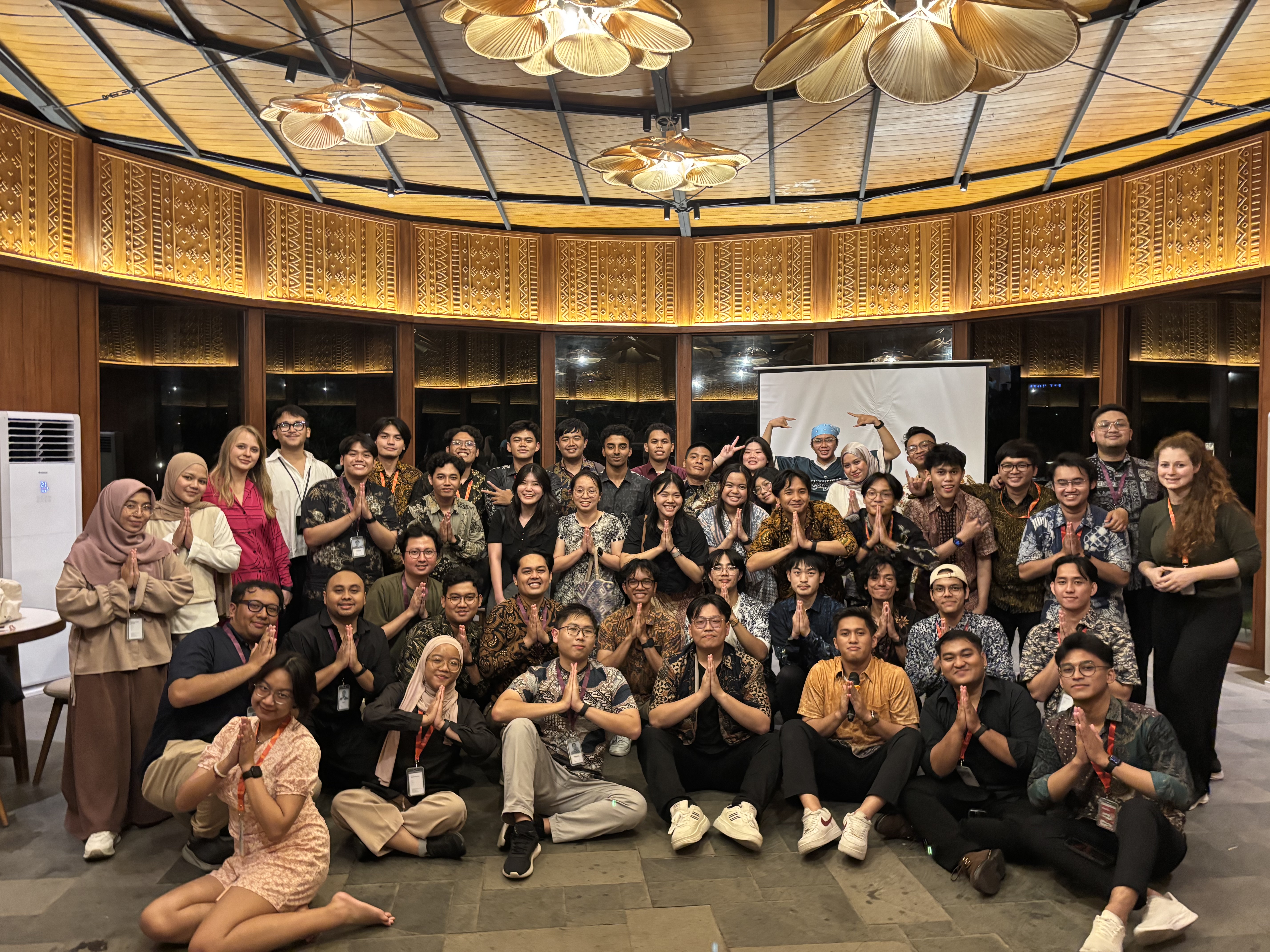
One of the strongest impressions I had was the environment itself.
ADA is incredibly diverse and inclusive.
Especially in Bali, diversity wasn’t just talked about, it was practiced. There were learners from different countries, cultures, genders, and backgrounds. The academy clearly aimed for balanced representation, whether it was international learners, locals, women, or men.
They even celebrated Pride Month, which is not common in Indonesia.
For me, this was eye-opening and expanded how I see inclusivity and openness in a professional environment.
People were welcomed for who they are, and that made collaboration feel safe and honest.
Growth Is Taken Seriously
Another thing I didn’t expect was how much they cared about personal growth.
Each learner was paired with a personal mentor, different from the mentors assigned to challenges. After every challenge, we had one-on-one sessions to reflect not just on the result of the challenge, but on ourselves.
These sessions weren’t about judging performance. They were about understanding:
- what we learned
- what we struggled with
- and how we could grow in the next challenge
It made the learning experience feel intentional and personal.
The People You Meet Will Surprise You
The people I met at ADA were full of surprises.
Years ago, I watched an interview on YouTube about a woman in tech from my country, a software engineer who built a well-known women-in-tech organization. Later, she became one of my mentors at the academy.
Another moment that stayed with me:
a YouTuber I used to watch growing up married a Dutch man and unexpectedly, that person became my personal mentor at ADA.
Moments like these reminded me how small the world can feel when you’re in the right environment.
Learning From Apple and Beyond
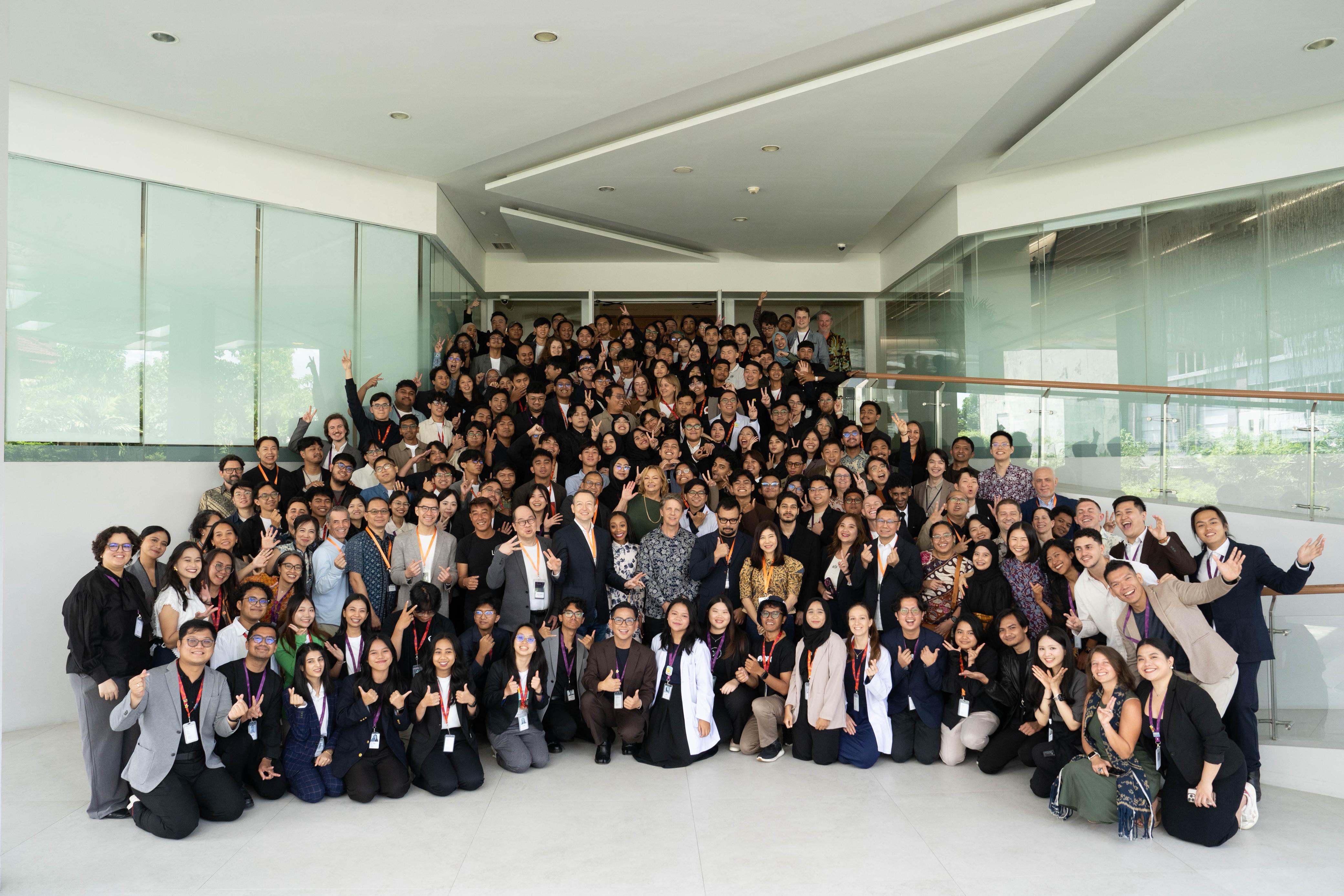
From time to time, Apple executives visited the academy, not just to observe, but to interact, give feedback, and have real conversations with us.
You could talk to them not only about your project, but also about life, career paths, and work in general.
During one hackathon, my team validated our idea directly with an Apple executive. The feedback challenged our assumptions and went against what we initially believed would work, but it made perfect sense. That experience taught me how valuable honest, critical feedback can be.
Beyond Apple, we were also visited several times by people from government institutions. These visits showed that what we were building at the academy wasn’t only relevant to the tech industry, but also connected to broader societal and public interests. For me, this was another eye-opening experience.
Networking That Actually Matters
The networking opportunities at ADA are intense in the best way.
You meet mentors, Apple team members, industry professionals, and learners with unique backgrounds. If you know how to connect with people, this environment opens many doors.
And it never felt transactional — conversations happened naturally through collaboration and shared experiences.
Learning Beyond Building Apps
ADA doesn’t stop at giving you tools to build apps.
They also create moments where you:
- pitch your product
- explain your ideas to people outside the academy
- interact with visitors who have never seen your work before
These expo-style sessions helped me learn how to communicate ideas clearly, present confidently, and think about product value not just features. It was also another opportunity to receive real-world feedback and build connections.
Learning From Each Other
The learners at ADA come from all kinds of backgrounds.
Not just students but psychologists, architects, software engineers, business owners, parents, and more. Ages ranged from 18 to people in their 50s.
Sometimes, the best solutions didn’t come from mentors but from other learners. People were always open to help, discuss, and share perspectives.
Seeing how others combined technology with their own interests often led to surprisingly creative ideas.
Closing Thoughts
Apple Developer Academy is not just about learning how to build apps.
It’s about:
- learning how you learn
- understanding how to collaborate with people who are different from you
- and growing beyond your comfort zone
For me, ADA was less about mastering a specific technology and more about becoming a better learner, collaborator, and professional.
And that lesson will stay with me long after the academy ends.